Your tires play a crucial role in the safety and functionality of your vehicle. Proper tire maintenance is vital in preventing flats, enhancing road safety and improving gas mileage. During the colder months, tires will need routine inspection and care. Colder temperatures will cause tire pressure to drop about one PSI (pounds per square inch) for every 18°F drop in air temperature. Check your tire pressure regularly by monitoring the TPMS (tire pressure monitoring system). When the TPMS light turns on, this means that one or more tires have dropped below their recommended pressure. Your vehicle’s tire pressure reading should match the recommended tire pressure as stated in the owner’s manual.
The best way to prevent a cold-weather flat is to keep an eye on tire pressure. When cold weather hits, drivers may see a low-pressure warning light on the dash or simply observe that the tires need to be inflated. This is normal in cold weather. Curious to learn more? Read on to find out more about why tires go flat in cold weather.
How Cold Weather Affects Tire Pressure
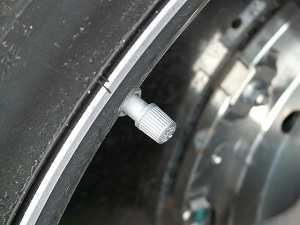
Cold weather temperatures pose a threat to your rubber tires. Lower temperatures may cause the rubber to contract, which creates spaces between the rubber and rim. This will allow air to leak slowly. The cold can also cause rubber tires to become brittle and harder. If you use summer tires during the winter months, this can pose the risk of cracking and losing grip on the road. It is crucial to ensure that you have the right tires during winter.
Air Pressure Decreases in Cold Weather
Air contracts when it is cold. In colder weather, air molecules don’t move as quickly, and they don’t take up as much space inside the tire. The slower air molecules move, the lower the amount of air pressure. Less space will also mean that the smaller molecules are pushing against the tire walls, which leads to a drop in tire pressure. Driving a few miles will allow the tires to warm up, and you will likely see your tire pressure light go off because the molecules will re-expand. It is still best to ensure your tires are topped off with a bit of extra air.
Don’t wait for the tire pressure warning light to come on. Check the pressure in all your tires monthly. The correct tire pressure will ensure that you’ll get more life of your tires, while improper tire inflation may result in rapid or irregular wear, which can cause significant internal tire damage. Keep your tires properly inflated throughout the year for safe and effective driving.
Posted on by juan.sanchez@vehlo.com in Uncategorized
Your tires play a crucial role in the safety and functionality of your vehicle. Proper tire maintenance is vital in preventing flats, enhancing road safety and improving gas mileage. During the colder months, tires will need routine inspection and care. Colder temperatures will cause tire pressure to drop about one PSI (pounds per square inch) Read More
Posted on by juan.sanchez@vehlo.com in Uncategorized
Getting a flat tire — whenever it is — is always a huge inconvenience. You were going about your day and suddenly “boom!” You pull over to check the damage and notice your tire is flat. Now what? One thing you should not do when you get a flat tire is to continue driving. Without Read More
Posted on by juan.sanchez@vehlo.com in Uncategorized
The new year is an excellent time for a fresh start. Let’s not only think about our personal goals, such as hitting the gym or traveling. Make a resolution to take care of an important purchase that can be taken for granted – your car! Your vehicle is a valuable and essential part of your Read More
Posted on by juan.sanchez@vehlo.com in Uncategorized
Owning a vehicle in today’s modern society is a fundamental necessity. However, there is one element about vehicle ownership that frustrates most of us. Although auto repairs and maintenance service can be frazzling, the constant rise in the price of fuel is one of the biggest issues for motorists. As gas prices remain high, improving Read More
Posted on by juan.sanchez@vehlo.com in Uncategorized
With so many fuel options available at gas stations, how do you know which one to choose? Your vehicle needs fuel that is injected into the engine’s cylinders to propel your vehicle. The combustion engine relies on air, fuel, and ignition to operate. If one of these elements is missing, your engine will likely not Read More
Posted on by juan.sanchez@vehlo.com in Uncategorized
Your car’s tires are a huge part of your driving experience and a crucial component of the safe performance of your vehicle. Tires are the car’s connection to the road. They help you to accelerate, brake, and keep your car under control. A good set of tires can make the difference between a safe, smooth Read More
Posted on by juan.sanchez@vehlo.com in Uncategorized
The holidays are one of the best times of the year. It usually means celebrating with family, getting together with friends, or even traveling long distances. With all the excitement going on, it’s essential to keep safety at the forefront. Driving during the holiday season can always be hectic as the number of drivers on Read More
Posted on by juan.sanchez@vehlo.com in Uncategorized
The tires on your vehicle and vehicles across the world, was a result of multiple inventors across several decades. Robert William Thomson invented the first vulcanized rubber pneumatic tire in 1845, but it was too costly and ahead of its time and attracted little interest. In the 1880’s John Boyd Dunlop was the inventor of Read More
Posted on by juan.sanchez@vehlo.com in Uncategorized
One of the most important components of your car is its braking system. It’s imperative that you regularly check how well your brakes are performing. Braking system components include brake pads, rotors, calipers, and lines. Brake pads are among the most vital elements of the braking system and are considered normal wear items since they Read More
Posted on by juan.sanchez@vehlo.com in Uncategorized
We live busy lives and often don’t have time for tasks like cleaning our car. Cleaning your car is an important aspect of car maintenance that many don’t realize the benefits of keeping up with. A clean car is not only aesthetically pleasing, but it can also increase the resale value of your car. While Read More