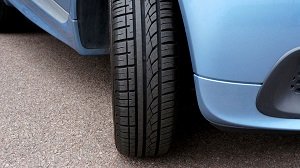
For the safety and performance of your vehicle, your tires should be installed by an expert technician. Proper installation enables your tires to function fully and provides maximum safety. On average, a tire installation takes about 45 minutes to an hour. After you have selected the right tires for your vehicle, your tires will be expertly installed. A proper installation includes:

The Steps to Install a New Set of Tires

When your tires are being replaced your, a tire technician uses a step-by-step procedure to properly mount your new tires unto your vehicle.

  1. The vehicle is placed on a mount to lift off the ground.
  2. The technician will unbolt the lug nuts on each wheel in a counter clockwise direction starting with the left front so that the wheels are removed from the vehicle.
  3. The tires will then be deflated by unscrewing the valve stem core; if new tires are being installed, the stem in pulled out and a new one is installed.
  4. A tire machine removes the tires from the rim.
  5. The rims are checked to make sure they are perfectly smooth with no rust or rough patches.
  6. To remove rough patches, abrasive pads are used the smooth the inner and outer parts of the rim. Too much damage to a rim will cause an unbalanced wheel. So, if rims are rusted they need to be replaced.
  7. Tire bead lubricant is applied to the tire beads and the rim which allows the bead to have the tires sit well on the rims.
  8. Using the tire machine, the new tires are installed on the rims.
  9. Tires are inflated to their maximum pressure based on vehicle manufacturer specifications and a stem core is installed.
  10. Tires will then be balanced and reinstalled onto the vehicle.

An alignment is also recommended so that your new tires don’t wear unevenly. Proper tire installation is very important so that your car is safe and reliable. A proper tire installation should be done by an expert tire technician. Your tires play an important part in the safety and dependability of your vehicle, keep them well maintained and working effectively. Visit us to have your next set of tires installed by our expert tire technicians!

How is a Tire Installed?

For the safety and performance of your vehicle, your tires should be installed by an expert technician. Proper installation enables your tires to function fully and provides maximum safety. On average, a tire installation takes about 45 minutes to an hour. After you have selected the right tires for your vehicle, your tires will be Read More

Conventional vs. Synthetic Motor Oil

When you go to purchased motor oil from your local auto store, do you know what you’re really paying for? When a service attendant asks you synthetic or regular, do you know the difference? If these situations leave you feeling unsure, let’s examine your options so next time you can make an informed decision. What Read More

Why Is Tire Pressure Important?

Your vehicle’s tires should always be inflated to their proper PSI (pound per square inch), which is the standard rating for air pressure within a tire. The PSI for your vehicle’s tires is generally found on the drivers’ door jamb, inside your owner’s manual or on the tire itself. Proper tire inflation will allow you Read More

What Happens When Tires Sit Too Long in One Place?

Your tires are your car’s only connection to the road. Taking care of your tires will save you money on gas and a smoother, safer ride for you and your family. Your vehicle’s tires affect how your vehicle steers, how it brakes, and how it hugs the road. Your tires need to have the correct Read More

Tips for Winterizing Your Vehicle

Winter is on the way. It’s time to get your vehicle winter-ready. Winterizing your vehicle is necessary to keep your vehicle performing its best during the cold months. Your vehicle’s safety is important during winter conditions, especially if you must drive on icy or snowy roads. There are several things you can do to ensure Read More

Is It Safe to Drive on a Tire with a Bubble?

Bubbles in your tires are generally caused by impacts on the road. Hitting the edges of potholes, small collisions, hitting a curb and speed bumps can all cause the sidewall to bulge in your tires. Your tires should always be smooth and round, so if you notice a bubble on the sidewall or see a Read More

Do You Need Winter Tires?

Do You Need Winter Tires? Are you curious about the difference between different types of tires? When it comes to winter tires and regular tires, the main difference between the two is tread depth. On winter tires the tread depth starts at between 8 and 9 mm as opposed to 7 and 8 mm on Read More

How Does a Car’s Muffler Work?

Your vehicle’s engine produces small explosions of harmful emissions which come from the combustion chamber. These explosions produce dangerous gases such as carbon dioxide, carbon monoxide, hydrocarbons and nitrogen oxides. For safety, these dangerous gases are dispersed away from your vehicle’s cabin using an exhaust system, which the muffler is a key component of. To Read More

Halloween Driving Safety Tips

Trick or Treat! Kids and adults both love Halloween with all the candy, costumes and fun of being up late. As witches, superheroes, ghosts and celebrities roam the streets in search of candy and treats, drivers need to be cautious when driving. Halloween can be a dangerous time for drivers and pedestrians alike. Statistics have Read More

What to Do About a Cracked Windshield

Damage to your windshield happens unexpectedly. The windshield is an important safety device of your vehicle, with its main function being to protect passengers as well as ensure the airbags properly do their job of protecting the vehicle occupants. A small chip on your windshield can turn into a crack across the entire length of Read More

1 2 3 … 6